
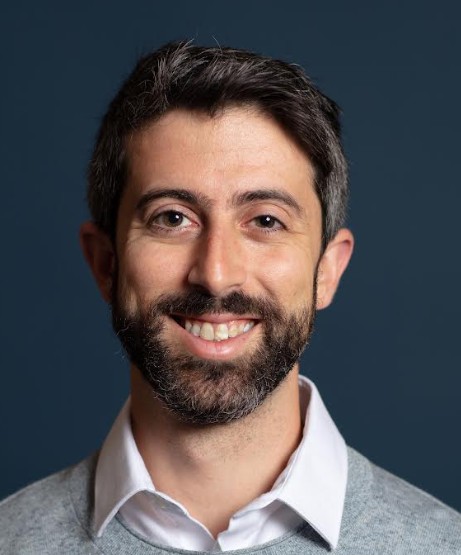
By JAKE SEGAL and KAREN LARSEN
Name 988 in California and somebody picks up. In components of the state, a cellular disaster staff would possibly arrive at your door as an alternative of police. By Proposition 1, the state is putting billions into treatment beds, supportive housing, and youth services. On paper, California is in the course of essentially the most bold behavioral well being growth within the nation.
And but, about two-thirds of adults and adolescents in need of care don’t get treatment. A behavioral well being system you could’t employees is only a blueprint, not a method.
At the same time as demand for psychological well being and substance use remedy surges, the provision of educated professionals is not keeping pace. California wants 375,000 behavioral workers by 2030, doubling positions statewide. State officers estimate a 38% shortfall in psychiatrists and a spot of roughly one-third among the many 100,000 licensed therapists wanted. Rural and underserved communities are particularly laborious hit; many have no child and adolescent psychiatrists in any respect. And shortages lengthen past medical doctors and therapists. Scientific social staff, dependancy counselors, peer assist specialists, and group well being staff are additionally briefly provide.
Constructing on State Management
California just isn’t ranging from scratch. The Division of Well being Care Entry and Info (HCAI) already administers a number of scholarship and mortgage compensation applications that encourage clinicians to follow in high-need settings, together with loan repayment for nurses, licensed psychological well being suppliers, substance use dysfunction counselors, and psychiatric nurse practitioners. By the BH-CONNECT federal waiver, HCAI is rolling out 5 workforce applications over 2025–2030, together with a Medi-Cal Behavioral Health Student Loan Repayment Program.
These are vital efforts, however they aren’t scaled to the scale of the disaster. Mortgage compensation awards are sometimes a fraction of a graduate’s full debt, and have restricted availability. Even the biggest applications will solely goal just a few hundred suppliers; California wants hundreds extra.
Compensation alone doesn’t clear up the speedy affordability drawback: individuals can’t enter coaching if they will’t pay lease whereas they’re doing it.
A $1 Billion Statewide Workforce Fund for California
California ought to create a statewide Behavioral Well being Workforce “Pay It Ahead” Fund: a $1 billion pool that lends cash to trainees at zero curiosity, will get paid again as they get good jobs, and lends those self same {dollars} out once more.
In contrast to a one-time grant program that disappears on the finish of the funds cycle, a revolving fund is designed to recycle repayments to assist future cohorts. It stretches public and philanthropic {dollars} additional, whereas not growing debt burden if there’s no payoff for trainees.
These funds present zero-interest loans to cowl tuition in addition to vital residing bills whereas finishing coaching and/or licensure. Repayments are recycled to assist future cohorts. And graduates who work in high-need public methods may be eligible for retention-based mortgage forgiveness.
Within the wake of federal adjustments that severely curtail entry to reasonably priced loans for graduate levels—by Grad PLUS caps beneath HR1—the necessity is ever larger.
Past financing tuition, these fashions assist shut affordability gaps for friends, substance use counselors, and navigators–staff who could not carry massive scholar loans however face significant monetary limitations throughout coaching itself. They can be tailored to assist incumbent staff in search of further credentials, additional strengthening retention.
This mannequin just isn’t theoretical—it’s being piloted in the present day in San Diego, the place a county-led program (supported by considered one of our organizations, Social Finance) launched in 2025 to deal with an 8,000-worker shortfall within the area. Comparable revolving workforce funds are working in states similar to New Jersey, Indiana, and Massachusetts, demonstrating how finite public investments can assist long-term workforce pipelines and employee retention whereas constructing accountability into the system.
The Stakes Are Excessive
Behavioral well being coverage adjustments don’t work with out the workforce to ship. A Pay It Ahead Fund received’t shut the hole alone. However with out one thing prefer it, the remainder of the funding can’t do what it was designed to do.
Karen Larsen, LMFT, is the CEO of the Steinberg Institute and previously served because the Director of Yolo County’s Well being and Human Companies Company. Jake Segal is managing director for the general public sector follow of Social Finance